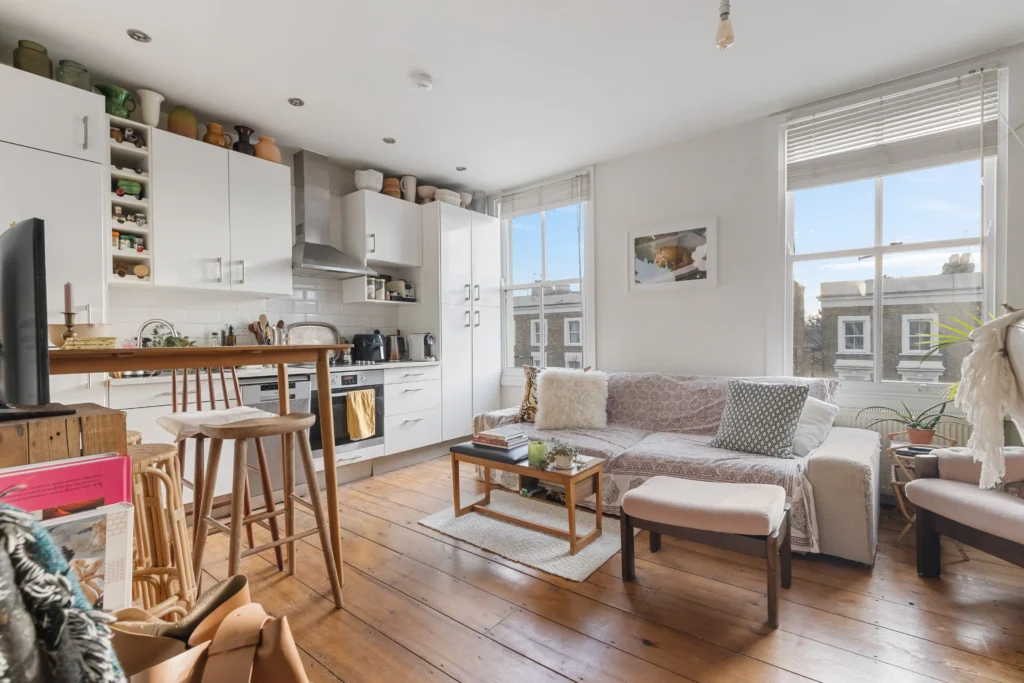
Landlords often ask us whether they should let their property furnished or unfurnished, as this choice can significantly impact tenant appeal, rental value, and tenancy length. The truth is, there’s no one-size-fits-all answer it depends on the type of property, its location, and the kind of tenants you want to attract. Here’s what you should consider when making your decision.
Who Is Your Ideal Tenant?
Different tenants have different needs, so understanding your target market is key.
- Families: Long-term renters, particularly families, tend to have their own furniture and want a blank canvas to make their house feel like home. Offering an unfurnished property may appeal to them and could lead to longer tenancies, providing landlords with more stability.
- Young Professionals & First-Time Renters: Those new to renting or relocating often prefer furnished properties, as they may not yet own furniture. A well-presented, move-in-ready home can be especially appealing to this group.
- Corporate & Short-Term Lets: In city areas, professionals looking for short-term accommodation will often require fully furnished properties. These tenants want convenience they need a base near work and don’t want the hassle of sourcing furniture.
- Upsizers & Relocators: Some tenants moving into a larger property may have some furniture but not enough to fill an entire house. Offering flexibility by providing some furniture, or giving tenants the option to choose, can broaden your property’s appeal.
Flexibility Is Key
The more adaptable you are, the wider the pool of potential tenants. While it might seem easier to let a property furnished to avoid the cost and hassle of storing items, this approach could limit your market. Instead, consider offering part-furnished options or giving tenants the choice to keep or remove certain pieces. This small gesture can make a big difference in securing a let quickly.
Even if you decide to rent the property unfurnished, it’s worth ‘dressing’ it for marketing photos. Empty rooms can look uninviting, but styling a space with furniture helps prospective tenants visualise themselves living there, making your listing more attractive.
Should You Furnish? What to Consider
If you opt to let your property furnished, quality matters. Today’s renters expect well-maintained, modern furniture that complements the home. Here’s how to get it right:
- Neutral is best: Stick to timeless, neutral tones that will work with any tenant’s personal style.
- Durability over trends: Invest in sturdy, good-quality pieces that can withstand wear and tear.
- Consider fitted furniture: Freestanding wardrobes or dining tables designed for the space are a bonus.
- Think about replacements: Items that break due to standard use must be replaced, so factor this into your budget.
- Stay compliant: All soft furnishings must have visible fire labels in accordance with the Fire and Furnishings Act.
Does Furnishing Increase Rental Value?
A well-furnished property can sometimes justify a higher rental price, but this isn’t guaranteed. In many cases, the property itself, its location, and market demand have more impact on rent levels than whether it’s furnished or not.
It’s always worth seeking expert advice before making a decision. If you’re unsure, it’s often best to market the property unfurnished and discuss options with prospective tenants. That way, you can adjust to meet demand rather than narrowing your market from the outset.
Still unsure whether to furnish or not? Get in touch with our team today for tailored advice on making your property as appealing and profitable as possible. Get in touch with our team we’ll help you assess what’s best for your property and ensure you attract the right tenants quickly.