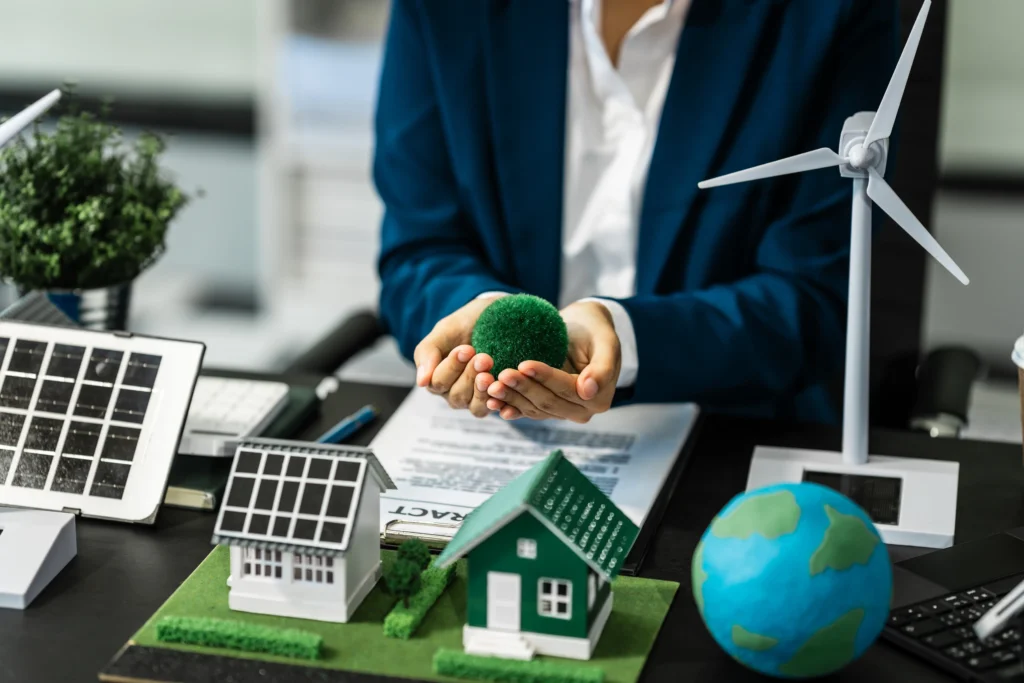
How climate change is influencing the homes we buy, improve and value
For years, conversations about climate change focused on distant predictions and global events.
Today, it’s becoming much more personal.
Whether it’s hotter summer days, heavier rainfall or longer dry spells, many homeowners are beginning to notice changes that affect everyday life. As a result, the features buyers look for and the improvements homeowners choose to make are evolving too.
Across Norfolk, Suffolk and the wider UK, climate resilience is quietly becoming another factor that influences property decisions.
Here are five ways homes are already adapting.
Keeping cool is becoming a bigger priority
Not long ago, air conditioning was something most people associated with offices, hotels or holidays abroad.
Now it’s appearing in more British homes.
Extended periods of warm weather have prompted many homeowners to look for more effective ways to keep their properties comfortable during the summer months. Split-system air conditioning, ceiling fans and improved ventilation are becoming increasingly common, particularly in modern homes with large areas of glazing.
At the same time, buyers are paying closer attention to how a property copes with heat. Features such as shaded rooms, opening windows on opposite sides of the house and well-designed ventilation can make a noticeable difference during warmer weather.
Gardens are evolving alongside the climate
The British love affair with gardens hasn’t changed.
How we use them has.
Instead of focusing solely on creating sunny seating areas, many homeowners are introducing features that provide welcome shade during hotter periods.
Pergolas, climbing plants, mature trees, sail canopies and covered patios are becoming increasingly popular additions.
Planting choices are changing too. Drought-tolerant species and lower-maintenance landscaping can help gardens remain attractive while using less water during prolonged dry spells.
A garden that offers both sunshine and shade is becoming an increasingly desirable combination.
Flood resilience is moving up buyers’ checklists
Flood risk has always been an important consideration for some locations, but awareness has grown considerably in recent years.
Today’s buyers are more likely to research flood maps, ask questions about previous flooding and consider how well a property is protected before committing to a purchase.
Homeowners in higher-risk areas are also taking practical steps to improve resilience, from installing flood barriers and airbrick covers to choosing flooring materials that are easier to recover after water damage.
These improvements may never be needed, but many people see them as sensible precautions rather than unnecessary extras.
Insulation now works all year round
Insulation has traditionally been viewed as a way of keeping homes warm during winter.
Increasingly, homeowners are recognising that it also helps keep homes cooler during summer.
Well-insulated lofts, upgraded windows and modern glazing reduce heat transfer in both directions, making properties more comfortable throughout the year while improving energy efficiency.
As energy costs remain an important consideration for many households, improvements that enhance comfort in every season continue to make good long-term sense.
Smarter ways to control sunlight
Across much of southern Europe, external shutters and solar shading have been part of everyday life for generations.
Similar ideas are gradually appearing in the UK.
External blinds, shutters, brise soleil and thoughtfully designed roof overhangs help prevent excessive heat from entering through windows before it reaches the glass.
These solutions are often far more effective than relying on curtains or internal blinds after the room has already warmed up.
Architects and developers are also paying closer attention to window orientation and natural shading when designing new homes.
Practical changes, not passing trends
None of these adaptations suggest that every homeowner needs to undertake major renovations.
Instead, they reflect something British homeowners have always done remarkably well.
Adapt.
Every generation has responded to changing lifestyles, technology and living conditions. Today’s homeowners are simply responding to a changing climate in much the same way.
Some improvements are driven by comfort. Others by energy efficiency. Some by resilience.
Most are simply practical decisions that help people enjoy their homes for longer.
Looking ahead
No one can predict exactly how our climate will continue to evolve, but it’s clear that buyers are becoming more aware of how homes perform throughout the year.
Energy efficiency, resilience and comfortable living environments are likely to become increasingly important factors when people choose their next home.
At Location Location East, we believe the best property decisions are made with good information and a long-term perspective.
As founding members of the Ethical Agent Network, we support giving homeowners clear, balanced advice that helps them make informed choices rather than reacting to headlines.
Whether you’re planning improvements, preparing to sell or simply thinking about the future, understanding how homes are changing can help you make smarter decisions for years to come.
Article by Andrew Overman | Partner | Location Location East