Electrical Installation Condition Reports (EICRs) have been a legal requirement for rental properties for several years. However, with the introduction of the Renters’ Rights Act and stronger enforcement powers for local authorities, compliance is becoming even more important for landlords.
Failing to have a valid EICR could result in significant penalties, so understanding what the report involves and how the process works is essential for anyone letting property.
What is an EICR?
An Electrical Installation Condition Report is an inspection carried out by a qualified electrician to assess the safety of a property’s fixed electrical system.
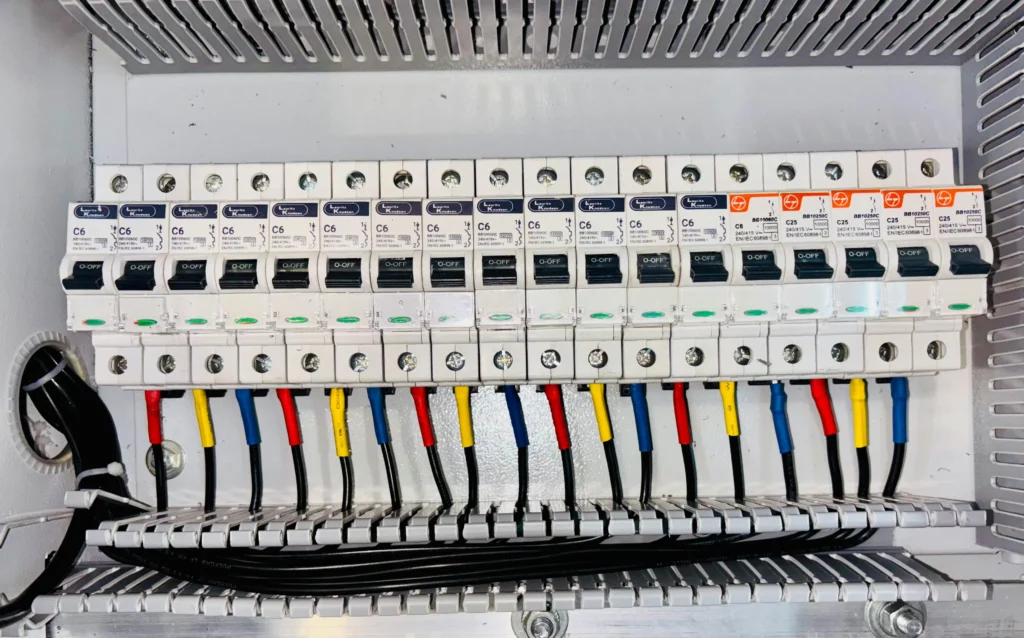
This includes wiring, sockets, switches, light fittings, fixed heaters, showers and the consumer unit, which is often referred to as the fuse box.
The purpose of the inspection is to confirm that the electrical installation is safe and suitable for continued use.
How long an EICR lasts
In most cases, an EICR remains valid for up to five years. However, electricians can recommend a shorter inspection period if the condition of the system requires it.
If a property is newly built or has recently been completely rewired, the Electrical Installation Certificate (EIC) issued at the time of installation can usually be used instead of an EICR for the first five years.
Landlords must provide a copy of the report to their tenants and also give it to new tenants before they move in. It is also sensible to keep copies of all certificates for your own records.
How electricians record electrical issues
Unlike some safety checks, EICRs do not simply result in a pass or fail. Instead, any issues discovered during the inspection are categorised using specific codes.
C1 indicates that danger is present and there is an immediate risk of injury. Urgent action is required.
C2 means the issue is potentially dangerous and requires prompt attention.
C3 is advisory, meaning improvement is recommended but not essential for safety.
F1 indicates that further investigation is required before the electrician can confirm safety.
If a report contains C1 or C2 observations, remedial work will normally be required before the property is considered safe.
What EICRs do not cover
EICRs focus on the fixed electrical installation within a property. They do not normally include portable appliances such as kettles, toasters or freestanding electrical equipment.
Portable items can instead be checked using Portable Appliance Testing (PAT). Landlords are not responsible for testing appliances that belong to the tenant.
Typical EICR costs
The cost of an EICR can vary depending on the size of the property and the electrician carrying out the inspection.
Industry estimates suggest that most inspections fall within the region of £100 to £250. It is always sensible to obtain a few quotes before booking the work.
Be cautious of extremely cheap offers, as these can sometimes lead to corners being cut or unexpectedly high charges for follow-up work.
Avoiding unnecessary costs
If faults are identified during the inspection, it is often more cost-effective to have the same electrician carry out the remedial work.
Using a different contractor can sometimes mean repeating the inspection, which increases the overall cost.
Why compliance matters more than ever
Beyond the obvious safety considerations for tenants, the legal consequences of failing to comply with electrical safety regulations are becoming more serious.
Local authorities now have greater powers to request EICR documentation and can impose civil penalties of up to £40,000 for breaches of housing regulations.
For landlords, staying organised and ensuring all safety certificates are valid is one of the simplest ways to protect both tenants and their investment.
Estate agency done ethically
We are proud members of the Ethical Agent Network (EAN), a national group of independent estate and letting agents who have been independently tested to ensure they meet strict standards of honesty, service, professionalism and community care.
To find out more about what we do and why we passed the EAN assessment as the only local agency in the network, please feel free to contact us. #AgentsYouCanTrust
Article by Andrew Overman | Partner | Location Location East